
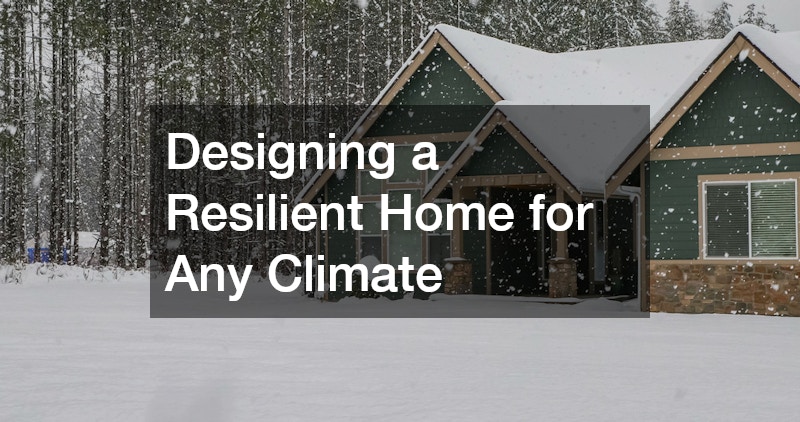
Designing a resilient home starts with a mindset shift. Instead of asking, ”What looks good right now?” the better question is, ”What will still be standing, functioning, and affordable to maintain ten years from now?”
Climate resilience isn’t just about surviving hurricanes or blizzards. It’s about handling heat waves that strain your HVAC system, torrential rain that tests your drainage, freeze-thaw cycles that crack materials, and high winds that find weak points you didn’t know existed.
A resilient home is layered. The roof shields. The walls insulate. The systems circulate air and water efficiently. The landscape diverts threats. Each element supports the others. When one layer fails, the stress transfers somewhere else.
In the sections that follow, we’ll look at how to strengthen each of those layers in practical, achievable ways—whether you live in a coastal storm zone, a desert climate, tornado territory, or somewhere with four dramatic seasons.
Strengthening Your Roof And Emergency Preparedness Strategy
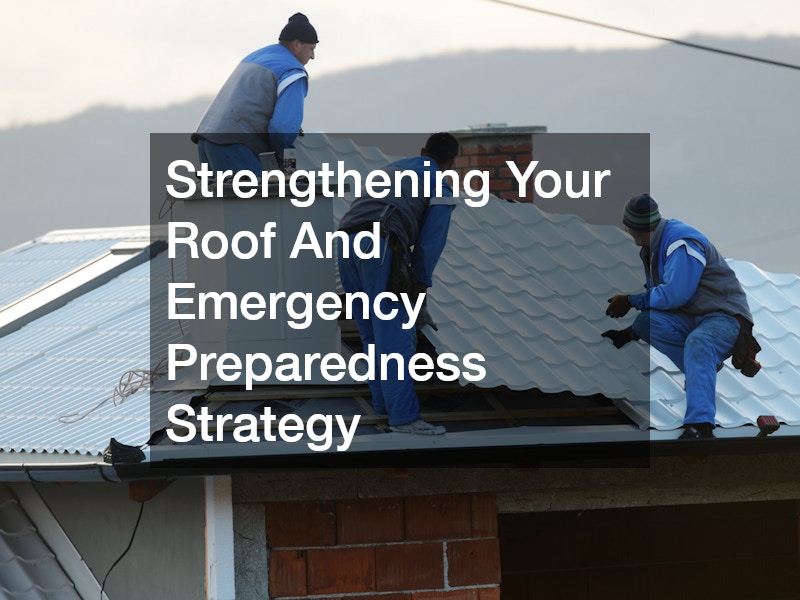
Your roof takes the brunt of climate stress. Sun, wind, hail, snow, humidity—they all hit this surface first. Yet homeowners often treat roofing decisions as cosmetic or price-driven rather than strategic.
What many people underestimate is how interconnected the roof is with the rest of the home. When roofing materials overheat, attic temperatures spike. That heat radiates downward, forcing cooling systems to work harder. When wind compromises edge details, water intrusion doesn’t just stain ceilings—it seeps into insulation, weakens framing, and creates conditions for mold. Even minor failures at the roofline can ripple through structural, mechanical, and interior systems.
In high-heat regions, roofing surfaces can exceed 150 degrees Fahrenheit under direct sun. That extreme exposure accelerates material aging. Reflective membranes like TPO roofing are designed to deflect a significant portion of that solar radiation. The result isn’t just lower attic temperatures—it’s reduced thermal expansion and contraction, which slows material fatigue over time.
In climates where storms dominate, flexibility becomes just as important as reflectivity. Materials that can handle repeated expansion, contraction, and wind uplift without cracking or separating from seams are critical. A roof that remains intact during one storm but weakens incrementally over several seasons is still vulnerable. Resilience means durability across cycles, not just isolated events.
That said, material alone isn’t enough. Resilience at the roofline also includes:
- Proper fastening systems rated for local wind speedsFasteners must match regional wind load requirements. In hurricane zones, uplift forces can be extreme. A roofing membrane is only as secure as the attachment system beneath it. Under-rated fasteners can fail even if the surface material is high quality.
- Reinforced flashing around vents and skylightsPenetrations are common failure points. Chimneys, skylights, plumbing vents, and exhaust outlets interrupt the roofing surface. Poor flashing installation allows water to enter slowly, often undetected until interior damage becomes visible.
- Adequate attic ventilation to prevent moisture buildupVentilation balances temperature and humidity. Without it, trapped moisture can rot the decking from below. In cold climates, improper ventilation contributes to ice dams. In humid climates, it can foster mold growth in structural components.
- Regular inspections after major weather eventsEven if there are no visible leaks inside, high winds may loosen edge details or compromise seals. A quick inspection after storms helps catch damage early, when repairs are manageable rather than structural.
If you’ve ever walked outside after a storm and found shingles scattered across your yard, you know how quickly small vulnerabilities become large repair bills.
What often begins as a lifted corner or missing fastener can escalate. Once the protective barrier is compromised, wind-driven rain penetrates deeper layers. Insulation becomes saturated. Drywall stains appear. Electrical systems may be exposed. Restoration costs multiply not because the storm was catastrophic, but because the system wasn’t reinforced against predictable stress.
Beyond roofing, consider where your family would go during severe weather. In tornado alleys or hurricane-prone zones, working with experienced storm shelter contractors can significantly increase your safety margin. A properly engineered shelter—whether installed in a garage slab, basement corner, or standalone unit—should meet regional impact and anchoring standards.
Storm protection planning requires realism. Ask yourself: if a warning were issued right now, would you have a clearly defined plan? Would every household member know where to go? Would pets be accounted for?
When evaluating options, ask:
- Is the structure rated for debris impact common in your region?Windborne debris causes the majority of structural injuries during severe storms. Impact ratings matter more than appearance.
- How is it anchored to prevent uplift?Even reinforced walls can fail if anchoring systems are insufficient. Anchoring must tie into structural slabs or foundations.
- Is ventilation addressed without compromising protection?Proper airflow prevents suffocation risks during extended shelter use but must be designed to maintain structural integrity.
- Can all household members access it quickly?A shelter is only effective if it is realistically reachable within seconds. Accessibility should account for mobility limitations, nighttime scenarios, and power outages.
Resilience at the structural level is about reducing variables. The fewer uncertainties you face during an emergency, the better your outcome.
Resilience isn’t about fear; it’s about planning. When extreme weather hits, you don’t want to be improvising.
You want systems that were chosen deliberately.
Fasteners that were rated correctly.
Flashing that was installed with care.
Shelter space that was engineered for worst-case conditions.
Because when wind speeds climb and alerts sound, preparation transforms chaos into procedure.
Stabilizing Indoor Temperatures Through Smarter Insulation And Airflow
Energy efficiency is resilience in action. A home that holds temperature well can ride out heat waves or cold snaps with less strain on mechanical systems.
If your house feels drafty in winter or unevenly cooled in summer, insulation gaps are often the culprit. Hiring a qualified insulation contractor to assess attic depth, wall cavities, and crawl spaces can uncover hidden inefficiencies. In cold climates, inadequate attic insulation allows heat to escape upward, contributing to ice dams. In hot regions, insufficient wall insulation lets exterior heat radiate inward all day.
Materials matter, but so does installation quality. Even high-rated insulation fails if it’s compressed, poorly sealed, or interrupted by air leaks.
Beyond insulation, airflow plays a critical role. Dust, debris, and even rodent nesting inside ducts reduce HVAC efficiency and compromise air quality. Periodic air duct cleaning improves circulation and can help manage allergens, especially in humid climates where mold risk increases.
Think of insulation as the barrier and airflow as the circulatory system. When both are optimized, your home:
- Maintains steadier indoor temperatures
- Reduces peak HVAC strain
- Lowers utility costs
- Improves indoor air quality
One homeowner in a high-humidity coastal area discovered that uneven cooling wasn’t an AC problem at all. Leaky ducts in the attic were pulling in humid air, forcing the system to work overtime. Sealing and cleaning the ductwork dramatically improved comfort without replacing the unit.
Resilience sometimes means fixing what’s hidden rather than replacing what’s visible.
Protecting Plumbing Systems From Seasonal Stress
Plumbing rarely gets attention until it fails. Yet temperature fluctuations, heavy rainfall, and aging infrastructure can quietly strain pipes and drains.
In colder climates, freeze-thaw cycles expand and contract pipes. In areas with heavy rainfall, stormwater can overwhelm sewer lines. Over time, grease buildup, mineral deposits, and invasive roots create blockages that standard drain cleaning tools can’t fully resolve.
If you’ve noticed slow drains throughout the house—not just in one fixture—that can signal deeper buildup. In those cases, hydro jetting offers a more comprehensive solution. By using high-pressure water to clear debris along pipe walls, it restores proper flow and reduces the likelihood of repeat clogs.
This isn’t a yearly necessity for every home, but in older neighborhoods or properties surrounded by mature trees, it can be a proactive investment.
Resilient plumbing also includes:
- Insulating exposed pipes in crawl spaces
- Ensuring proper grading around foundations
- Installing backflow prevention valves in flood-prone areas
- Scheduling camera inspections for aging sewer lines
Imagine discovering a sewer backup during a major storm. By the time emergency services are available, damage may already be extensive. Preventative maintenance may not feel urgent—until it is.
Designing Landscapes That Shield Rather Than Threaten
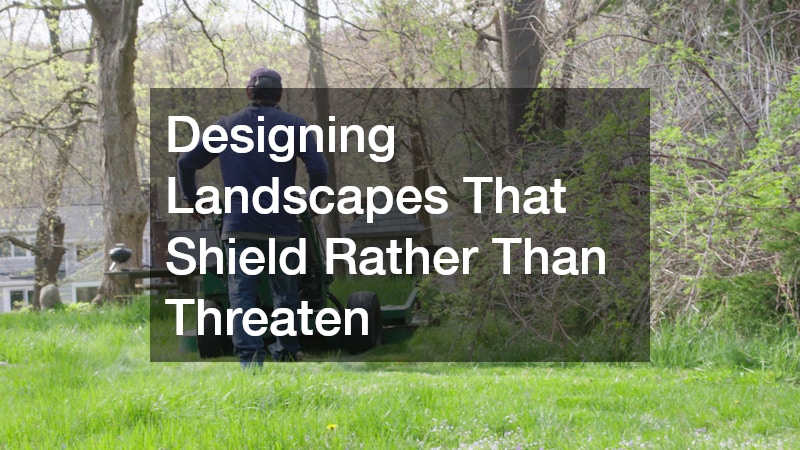
Your yard is either protecting your home or quietly undermining it.
Strategic landscaping reduces wind impact, directs water away from foundations, and prevents soil erosion. Poorly planned landscaping traps moisture against siding, encourages root intrusion, and increases storm damage risk.
Start with trees. While mature trees add value and shade, overhanging limbs become dangerous projectiles during high winds. Regular tree trimming reduces the risk of branches damaging roofs or windows. It also improves tree health by removing weak or diseased limbs before they fail.
Placement matters just as much as maintenance. Trees planted too close to foundations can disrupt footings or infiltrate underground plumbing. If you’re unsure about spacing and species, consulting experienced landscapers can prevent expensive long-term issues.
Thoughtful landscaping for resilience often includes:
- Grading soil to slope away from the foundation
- Installing French drains in low-lying areas
- Using native plants adapted to local rainfall patterns
- Creating windbreaks in open or rural areas
In drought-prone climates, xeriscaping reduces irrigation demand. In flood-prone zones, permeable surfaces and rain gardens help absorb excess water.
A homeowner in a storm-heavy region once realized their ”beautiful” yard was funneling rain directly toward their basement. Regrading and adding drainage channels eliminated recurring water intrusion.
Resilience doesn’t always look dramatic. Sometimes it’s subtle contouring that saves thousands in repairs.
Reinforcing Interior Spaces Against Moisture And Wear
Bathrooms and kitchens endure more humidity and temperature variation than most rooms. Over time, moisture exposure weakens materials that weren’t built to handle it.
In humid climates, lower-quality bathroom cabinets often warp, peel, or develop mold behind panels. Upgrading to moisture-resistant materials with sealed edges can significantly extend their lifespan. Soft-close hardware and sealed interiors may seem like aesthetic upgrades, but they reduce wear and exposure to damp air.
Ventilation also matters. Exhaust fans should vent outside—not into attics—where trapped humidity can cause structural rot.
To improve durability in moisture-prone areas:
- Choose materials rated for high humidity
- Seal caulk lines regularly
- Monitor for minor leaks under sinks
- Replace deteriorating grout before water penetrates walls
Resilience indoors is often about resisting gradual decay. Small upgrades in wet areas prevent larger structural issues later.
Planning Additions That Withstand Regional Climate Demands
Expanding your home can increase comfort and property value—but only if done with structural foresight.
An addition changes more than your floor plan. It changes how weight is distributed, how wind moves across the structure, how water drains around the foundation, and how conditioned air circulates inside. When expansion is treated as a cosmetic upgrade instead of a structural modification, long-term vulnerabilities often follow.
Designing With Regional Climate Reality In Mind
Every climate introduces different structural demands.
In flood-prone regions, additions may require elevated foundations. This isn’t simply about raising finished floor height—it’s about understanding base flood elevations, soil saturation levels, and how water flows across the property during peak events. Elevated piers, stem walls, or engineered slab systems may be necessary to prevent water intrusion and structural settlement.
In high-wind zones, structural tie-downs and reinforced framing are essential. Wind doesn’t just push against walls; it creates uplift forces that attempt to peel roofs and framing upward. Proper anchoring systems connect the roof to the walls and the walls to the foundation, creating a continuous load path that resists separation.
Before beginning construction, ask home addition contractors how they account for local climate loads and building codes. Codes represent minimum standards—not ideal performance. A thoughtful contractor will explain how wind ratings, snow loads, soil conditions, and insulation requirements influence design choices.
You should feel confident that your addition is engineered, not just assembled.
Structural Continuity Matters More Than Square Footage
Key considerations include:
- Wind load ratings for framing systemsFraming lumber, connectors, and fasteners must be selected based on local wind exposure. In open areas with minimal windbreaks, loads can be significantly higher than in sheltered neighborhoods. Reinforced framing ensures that the addition doesn’t become the first failure point in a major storm.
- Insulation levels that match or exceed the existing structureThermal inconsistencies between the original home and the new addition create energy inefficiencies and condensation risks. If the addition is better insulated than the existing structure, moisture may migrate toward weaker areas. Matching or exceeding insulation standards promotes balanced performance.
- Roofline integration to prevent weak transition pointsWhere old and new roof systems meet, structural and waterproofing details must be carefully engineered. Transition valleys, flashing joints, and pitch changes are common leak locations if not reinforced properly.
- Drainage planning around expanded footprintsExpanding a home alters how water moves across the property. Hard surfaces increase runoff. New foundation walls can interrupt existing drainage patterns. Without deliberate grading adjustments, water may collect in vulnerable areas.
A common mistake is focusing on square footage while overlooking structural continuity. An addition that doesn’t integrate properly can become the weakest link during a storm.
For example, tying a new roofline into an older one without reinforcing connection points can create uplift vulnerability. High winds may exploit that seam first, compromising both structures. Similarly, failing to extend proper drainage systems can concentrate water along new foundation walls, leading to cracks, seepage, or long-term soil instability.
Beyond Structure: Mechanical And Envelope Integration
Structural resilience must also account for mechanical and building envelope systems.
When adding space, consider:
- How HVAC systems will handle additional load
- Whether ductwork requires resizing or balancing
- How air sealing will be achieved at junction points
- Whether vapor barriers are continuous across old and new sections
Gaps in air sealing are common where additions meet original framing. These small discontinuities can allow moisture intrusion, energy loss, and pest entry. A resilient expansion ensures that the building envelope remains continuous and sealed.
Future-Proofing Your Investment
Think beyond today’s climate norms. Weather patterns evolve. Temperature extremes intensify. Designing for slightly higher performance thresholds now can prevent costly retrofits later.
Ask practical questions:
- If rainfall intensity increases, will drainage still perform adequately?
- If wind speeds exceed historical averages, are framing connections sufficient?
- If insulation standards rise, will this addition remain efficient?
Resilient expansions don’t just add space—they strengthen the whole property.
When engineered correctly, an addition can improve load distribution, enhance energy performance, and modernize aging structural elements in the original home. It becomes an upgrade to the system, not just an extension of it.
The goal isn’t simply more room. It’s cohesive performance—where old and new work together seamlessly under stress, season after season.
Protecting Waterfront Features And Outdoor Investments

If your property includes water access, climate resilience takes on another layer of complexity.
Changing water levels, storm surges, and corrosion all threaten waterfront structures. Elevating marine equipment with a boat lift reduces prolonged exposure to water and minimizes hull damage. Properly selected materials—especially in saltwater environments—prevent premature corrosion.
Beyond lifting systems, consider:
- Anchoring methods rated for storm surge
- Electrical components protected against moisture intrusion
- Dock materials designed for UV and salt resistance
Waterfront resilience also means planning for erosion. Shoreline stabilization, whether through vegetation or structural reinforcement, helps protect both land and structures.
Living near water offers incredible lifestyle benefits. Designing for resilience ensures those benefits aren’t overshadowed by recurring repair costs.
Creating A Long-Term Maintenance Rhythm
Resilience is not a one-time project. It’s an ongoing rhythm of inspection, adjustment, and improvement.
Homes are living systems. Materials expand and contract. Sealants dry out. Soil shifts. Equipment wears down gradually, not all at once. When homeowners treat resilience as a completed checklist rather than a continuous process, small issues quietly compound. A minor crack becomes water intrusion. A clogged downspout can cause foundation settlement. A loose shingle becomes interior ceiling damage.
The most climate-ready homes share one trait: their owners pay attention.
Not obsessively. Not anxiously. Just consistently.
They notice when a room feels slightly warmer than usual. They spot when rainwater lingers near the foundation longer than it should. They recognize that a faint musty smell is a signal, not an annoyance to ignore. That awareness—paired with action—is what separates resilient homes from reactive ones.
A practical approach is to align maintenance with seasons:
- In spring, inspect roofing, drainage, and exterior grading.Spring is about assessment and correction. Snowmelt and heavy rains expose weaknesses. Walk the perimeter of your home after a storm and observe where water collects. Check for displaced shingles, cracked flashing, or sagging gutters. Examine the soil line around your foundation—has erosion created low spots that funnel water inward? Spring is the ideal time to correct grading, reseal exterior gaps, and prepare for heavy rainfall.
- In summer, monitor cooling efficiency and shade coverage.High heat reveals insulation and ventilation weaknesses. Pay attention to how long your cooling system runs and whether certain rooms struggle to stay comfortable. Observe how sunlight hits your home throughout the day. Strategic shading—whether through trees, awnings, or window treatments—can reduce heat gain dramatically. Summer is also a good time to inspect exterior sealants, which can dry and crack under prolonged sun exposure.
- In the fall, clear gutters and assess tree stability.Falling leaves and debris can block drainage systems just as winter precipitation approaches. Clearing gutters and downspouts ensures water flows away from the structure instead of pooling at the roofline or foundation. Fall is also when tree limbs should be evaluated. Look for dead branches, leaning trunks, or soil upheaval near roots. Addressing instability before winter storms arrive can prevent structural damage.
- In winter, check insulation performance and pipe protection.Cold temperatures test your thermal envelope. Feel for drafts near windows and doors. Monitor attic spaces for signs of heat loss that could lead to ice formation along roof edges. Ensure exposed pipes in crawl spaces or garages are protected from freezing. Winter is less about exterior landscaping and more about internal structural defense.
Seasonal alignment makes resilience manageable. Instead of tackling everything at once, you address climate-specific vulnerabilities as they become most visible.
Rather than reacting to emergencies, proactive homeowners set aside a resilience budget each year. Even modest annual improvements compound over time.
A small allocation—whether monthly or annually—transforms large, unexpected expenses into planned investments. One year, that budget might cover drainage corrections. Next, it may fund upgraded weatherstripping or enhanced ventilation. Over a decade, those incremental steps have dramatically reduced the likelihood of catastrophic repairs.
Financial resilience supports structural resilience. When maintenance is planned, decisions are rational rather than rushed. You can compare materials, evaluate contractors carefully, and schedule work in optimal seasons instead of during peak emergency demand when costs are highest.
It’s also helpful to document upgrades—materials used, installation dates, contractor details. When future repairs or insurance claims arise, that documentation provides clarity and leverage.
Keep a simple digital or physical home file that includes:
- Dates of inspections and maintenance
- Product warranties and manufacturer details
- Photos before and after upgrades
- Receipts and contractor contact information
This record serves multiple purposes. It helps you track lifespan expectations. It simplifies resale conversations by demonstrating care and diligence. And in the event of storm damage, it strengthens insurance claims by verifying the condition and age of materials.
Documentation also creates continuity. If you move or pass the home to another family member, the knowledge doesn’t disappear.
The goal isn’t perfection. It’s preparedness.
Perfection suggests eliminating all risk, which isn’t realistic. Preparedness accepts that weather and time will test your home—but ensures you’re ready when they do.
Preparedness looks like catching deterioration early.
It looks like adjusting systems before failure.
It looks like understanding that resilience is built quietly, season after season.
Over time, that steady rhythm transforms your home from something that merely endures climate stress into something that adapts to it.
Designing For Confidence In An Unpredictable World
Climate patterns continue to shift. Heat waves intensify. Storms grow stronger. Droughts last longer. While you can’t control the weather, you can control how your home responds to it.
A resilient home isn’t about overbuilding or overspending. It’s about making informed decisions—strengthening key systems, improving efficiency, and anticipating stress before it becomes damaging.
Each improvement builds on the last. A reinforced roof complements strong insulation. Smart drainage protects your foundation. Thoughtful landscaping reduces wind and water risk. Careful planning prevents expensive retrofits.
Over time, resilience delivers more than structural protection. It offers peace of mind. When the next storm warning flashes across your phone, you won’t be scrambling to patch vulnerabilities. You’ll know you’ve already invested in stability.
And that confidence is one of the most valuable upgrades a home can offer.
