

There is a distinct romance to older homes. We fall in love with the intricate crown molding, the solid wood doors that close with a reassuring thud, and the history embedded in the floorboards. But the reality of living in a house built thirty, fifty, or eighty years ago often clashes with the way we live today. We want open sightlines, but we have compartmentalized boxes. We want smart efficiency, but we have single-pane draftiness. We want a chef’s paradise, but we have a cramped galley kitchen designed for a solitary cook.
Modernizing a dated home is rarely about erasing its character; it is about translation. It is the process of translating the original architect’s vision into a language that speaks to 21st-century functionality, energy efficiency, and flow. It is about honoring the past while ensuring the structure can stand strong for the future.
However, the path to modernization is fraught with decision fatigue. Do you knock down that wall? Do you replace the windows before the siding? How do you ensure your new open-concept layout doesn’t feel cold or sterile?
This guide is designed to be your comprehensive roadmap. We are going to move through your renovation chronologically and logically, starting from the exterior “envelope” of the house to ensure it is watertight and secure, before moving inward to the complex systems, layout changes, and finally, the aesthetic finishes that make it feel like home.
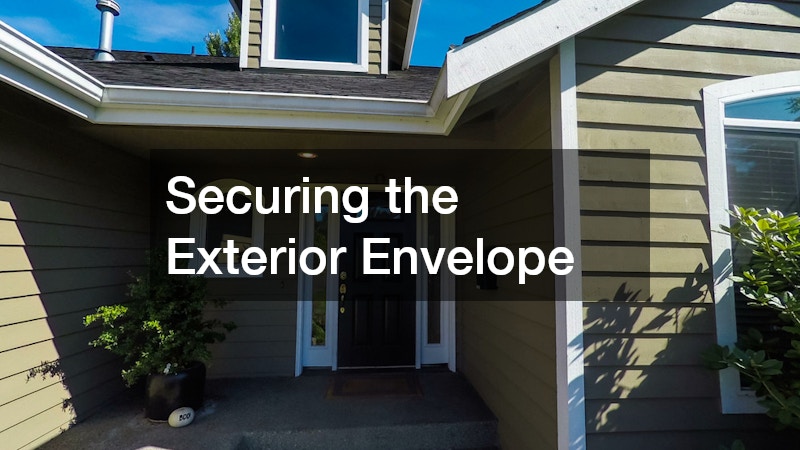
Phase 1: Securing the Exterior Envelope
Before you pick out a single backsplash tile or paint swatch, you must address the shell of your home. A modernized house is, first and foremost, a dry and efficient house. If water is infiltrating your attic or your heat is leaking out through the roof, your interior investments are at risk.
Evaluating the Roof’s Integrity and Lifespan
The roof is your home’s primary defense against the elements. In older homes, the roof is often the most neglected component, largely because problems remain invisible until they become catastrophic. Modernizing your roof isn’t just about stopping leaks; it’s about improving ventilation to protect your insulation and structure.
Start by looking for the subtle signs of failure. From the ground, use binoculars to scan for shingles that are curling at the edges, cracked, or missing entirely. Look for dark streaks, which can indicate algae growth or moisture retention. Inside your attic, turn off the lights during a sunny day and look for pinholes of light coming through the decking. Also, check for water stains on the rafters or insulation that looks matted and damp.
If your home has an asphalt shingle roof that is approaching its twentieth birthday, you are likely operating on borrowed time. While patch repairs can extend the life of a roof for a few years, there comes a tipping point where the cost of constant repairs outweighs the investment of a new system. This is where professional assessment becomes critical.
You should engage experienced roofers to conduct a thorough physical inspection. They can walk the roof safely to check the flashing around chimneys and vents—common failure points that are hard to see from the ground. They can also assess the condition of the plywood decking underneath the shingles. If the decking is rotting, simply layering new shingles over the top is a waste of money.
If the inspection reveals widespread wear or structural issues, opting for a full roof replacement service is the smartest move for a modernization project. A total replacement allows you to install modern waterproof underlayment and ice-and-water shields that weren’t available decades ago, significantly increasing the longevity and energy efficiency of your home.
Enhancing Efficiency and Water Management
Once the roof is secure, look at the vertical openings and water management systems. Older homes are notorious for “bleeding” energy. If you stand near a window in winter and feel a chill, or if your AC struggles to cool the south-facing rooms in summer, your windows are likely the culprit.
Original single-pane windows, even with storm windows attached, have an insulating value (R-value) of roughly 1. Modern double-pane, gas-filled windows have R-values ranging from 3 to 5 or higher. Replacing them not only lowers your utility bills but also reduces noise pollution and protects your furniture from UV fading.
When selecting new windows, pay attention to the frame material. Vinyl is low maintenance and affordable, while fiberglass and wood-clad options offer higher durability and a more traditional aesthetic that fits older architecture. However, the best window is only as good as its installation. Poor sealing can lead to water rot behind your siding that goes undetected for years. Hiring a specialized window contractor ensures that the flashing and insulation around the new units are handled correctly, creating an airtight seal that integrates perfectly with your home’s exterior.
Equally important is how water leaves your roof. In older homes, drainage systems are often undersized or damaged. Water pouring over the side of a clogged or bent trough lands directly at your foundation. Over time, this hydrostatic pressure can crack your foundation walls and lead to basement flooding.
Modernizing this system means installing wider, seamless troughs that can handle heavier rainfall volume. It also means ensuring downspouts extend at least five to ten feet away from the house. If you have tall trees, you likely struggle with clogging. Professional gutter services can install guards and high-capacity systems that require minimal maintenance, ensuring that even during heavy storms, water is safely diverted away from your home’s structural footprint.

Phase 2: Project Management and Structural Changes
With a secure exterior, you can turn your attention to the interior structure. This is the phase where “modernization” feels most tangible. It usually involves removing walls to create the open-concept living, dining, and kitchen areas that define modern lifestyles.
Expert Oversight for Major Layout Changes
Taking down a wall sounds simple in theory—a sledgehammer and some determination—but in practice, it is a complex engineering feat. Older homes were built with different framing techniques than we use today. A wall you assume is merely a partition might actually be holding up the second floor or the roof structure.
Furthermore, walls in older homes often hide vital infrastructure. That partition between the kitchen and dining room likely houses plumbing stacks, HVAC ducts, and electrical wiring. Removing it requires rerouting these systems, which triggers the need for electrical and plumbing permits.
Attempting to manage this alone is the fastest way to blow your budget and timeline. For any renovation involving structural alteration, a general contractor is an indispensable asset. They act as the conductor of the orchestra. They know the sequence of operations: demolition, framing, rough-in mechanicals, inspections, insulation, drywall, and finish. They ensure that the plumber doesn’t close up a wall before the electrician has finished pulling wire. Their oversight prevents the “domino effect” of errors where one mistake leads to costly rework down the line.
If your vision involves a significant expansion or a high-end overhaul, you might look beyond standard renovation to companies that specialize in custom builds. Luxury home builders often have experience dealing with complex architectural demands and high-finish requirements. Even if you aren’t building from scratch, their expertise in handling intricate structural changes—like vaulting a ceiling or adding a second-story addition—can be invaluable for a large-scale modernization project.
Upgrading the Nervous System: Electrical and Plumbing
While the walls are open, you must address the invisible systems. You cannot power a modern home on a 1950s electrical panel.
Electrical Upgrades:
- Service Amperage: Older homes often have 60 or 100-amp service. Modern homes with central air, electric ovens, and EV chargers require 200-amp service minimum.
- Grounding: Many old homes lack ground wires (two-prong outlets). This is a safety hazard and can damage modern electronics.
- Outlet Placement: Code requirements now dictate more outlets per room to prevent the use of extension cords. You will want to add USB-integrated outlets in bedrooms and kitchens.
Plumbing Upgrades:
- Supply Lines: If your home has galvanized steel pipes, they are likely rusting from the inside out, restricting water pressure and introducing sediment. Re-piping with PEX or copper is essential.
- Drainage: Cast-iron drain pipes can crack or corrode over decades. Inspecting and replacing accessible drain lines while walls are open prevents future sewage backups.

Phase 3: The Heart of the Home (Kitchen Focus)
The kitchen is the single most important room for modernization. In the past, the kitchen was a strictly utilitarian workspace, often separated from the rest of the house to hide the mess. Today, it is the social hub, the homework station, and the entertainment center.
Optimizing Layouts and Storage Solutions
Modern kitchen design focuses on “zones” rather than the traditional “work triangle.” You need a prep zone, a cooking zone, a cleaning zone, and a consumables zone (pantry/fridge).
One of the biggest challenges in older homes is a lack of storage. We simply own more kitchen gadgets today than people did fifty years ago. To combat this, modern design utilizes every cubic inch of space. This means taking cabinets all the way to the ceiling, utilizing toe-kick drawers, and installing deep drawers rather than standard lower cabinets (which require you to get on your hands and knees to find things).
To truly understand what is possible, you need to see these innovations in person. Browsing online is helpful, but visiting kitchen showrooms allows you to physically test the mechanics of soft-close hinges, pull-down shelving systems, and corner organizers. You can feel the difference between different countertop materials and visualize how different cabinet finishes look under studio lighting versus natural light.
When it comes to the layout itself, stock cabinetry often fails to maximize the quirky dimensions of an older home. You might end up with large “filler” strips that waste valuable space. Working with a professional cabinet designer allows you to create a semi-custom or custom layout. They can design solutions for awkward architectural features, like a chimney breast running through the kitchen or a window that sits lower than standard counter height. They can also integrate appliances with panel-ready fronts to maintain a seamless aesthetic, a key feature in modern luxury kitchens.
The Modern Appliance Suite
Modernizing your appliances isn’t just about stainless steel finishes; it’s about changing how you cook.
- Induction Cooktops: Faster, safer, and more energy-efficient than gas or electric.
- Steam Ovens: Retain moisture and nutrients in food, reheating leftovers better than a microwave.
- Smart Refrigerators: These help you manage inventory and can even let you see inside your fridge while you are at the grocery store.

Phase 4: Interior Finishes and Flooring
Once the layout is fixed and the drywall is up, you move to the surfaces. This is where the home develops its personality.
Choosing Durable and Stylish Surface Materials
In older homes, you often find a patchwork of flooring: hardwood in the living room, linoleum in the kitchen, and carpet in the bedrooms. A hallmark of modern design is continuity. Running the same flooring material throughout the main living areas makes the home feel significantly larger and more cohesive.
Engineered hardwood is a top choice for this, as it offers the warmth of wood but is more stable in varying humidity levels. However, for “wet” zones like the mudroom, laundry room, and bathrooms, you need something harder.
Modern tile technology has advanced rapidly. You can now get large-format tiles that minimize grout lines, making cleaning easier and spaces look less cluttered. When selecting materials for high-traffic or wet areas, ceramic and porcelain tile remain the gold standard. They are impervious to water, difficult to scratch, and cool to the touch. Porcelain, specifically, is fired at higher temperatures, making it incredibly dense and suitable even for outdoor transitions or heavy-duty entryways.
Key Flooring Considerations:
- Radiant Heating: If you are tearing up floors, consider installing electric or hydronic radiant floor heating, especially in bathrooms. It is an efficient way to heat a room and adds a touch of luxury.
- Sound Dampening: In multi-story older homes, floor creaks are common. Screw down the subfloor securely before laying new flooring, and use high-quality underlayment to dampen sound transmission.
Lighting Design: Layers of Light
Old homes typically rely on a single central ceiling fixture per room, creating harsh shadows and dim corners. Modern lighting design relies on “layers”:
- Ambient: The general light for the room (e.g., recessed “can” lights).
- Task: Bright, focused light for working (e.g., under-cabinet lighting in the kitchen, reading lamps).
- Accent: Decorative light to highlight features (e.g., art lights, sconces).
Updating your lighting plan to include recessed LEDs and dimmer switches gives you total control over the mood and functionality of the room.

Phase 5: Expanding Living Space Outdoors
For decades, the backyard was viewed as a separate entity—a place for the kids to run or a garden to be tended. The modern trend is “biophilic design,” or bringing the outdoors in. We want to blur the line between the living room and the patio, effectively doubling our entertaining space during warmer months.
Creating a Seamless Indoor-Outdoor Flow
To achieve this, consider replacing standard back doors with large sliding glass walls or French doors that open wide. The goal is to make the transition physically and visually seamless.
The structure immediately outside your door is the anchor of this outdoor living space. Old concrete slabs or rotting wood porches are uninviting. A modern deck serves as an outdoor floor, often built at the same level as the interior floor to prevent tripping hazards and enhance the flow.
When planning this space, think about zones just as you did in the kitchen. You want a dining area near the house (for easy food transport) and a lounging area, perhaps slightly removed or at a lower elevation.
Material choice is critical here. Traditional pressure-treated wood requires annual staining and sealing. Modern composite decking mimics the look of exotic hardwoods like Ipe or Teak but requires zero sanding or staining. To ensure the structure is safe and code-compliant—especially if you are removing a load-bearing post to install those wide doors—you should hire a specialized deck builder. They can engineer the footings to support heavy loads like hot tubs or outdoor kitchens and ensure the ledger board (where the deck attaches to the house) is flashed correctly to prevent water rot.
Landscaping and Curb Appeal
Finally, modernization extends to the curb appeal.
- Hardscaping: Replace cracked concrete walkways with pavers or bluestone.
- Plantings: Move away from overgrown foundation bushes that hide the house. Opt for native grasses and perennials that offer year-round color and require less water.
- Lighting: excessive floodlights are out. Use low-voltage landscape lighting to up-light trees and illuminate pathways for safety and drama.

Phase 6: Energy Efficiency and Smart Home Integration
A truly modern home is a smart home. This doesn’t just mean voice-activated speakers; it means integrated systems that save energy and improve comfort.
Insulation and Air Sealing
Most older homes are under-insulated. The attic might have a few inches of old fiberglass that has settled and lost its effectiveness.
- Attic: Aim for R-49 to R-60 insulation (depending on your climate). Blown-in cellulose is often a good choice for retrofitting.
- Rim Joists: The area where the house frame meets the foundation is a major source of air leaks. Spray foam insulation here can drastically reduce drafts and keep floors warmer.
Smart Thermostats and Monitoring
Install a smart thermostat that learns your schedule and adjusts the temperature automatically. Pair this with smart smoke and carbon monoxide detectors that alert your phone if there is an issue, providing peace of mind when you are away.
Water Leak Detection
Considering the damage water can do, a smart water monitor is a wise investment. These devices attach to your main water line and monitor flow. If they detect a burst pipe or a running toilet, they can automatically shut off the water to the whole house, potentially saving you tens of thousands of dollars in damage.
Conclusion
Modernizing a dated house is a marathon, not a sprint. It requires a significant investment of time, emotion, and capital. There will be dust. There will be noise. There will be surprises behind the walls that no inspector could have predicted.
But the reward is a home that offers the best of both worlds. You get to keep the soul of the structure—the established neighborhood, the mature trees, the architectural uniqueness—while enjoying the comfort, efficiency, and functionality of a new build.
Start with the envelope. Protect your investment by fixing the roof and water management first. Then, move to the structure and systems, ensuring the “bones” are strong. Focus your budget on the high-impact areas like the kitchen and the connection to the outdoors. And finally, layer in the finishes that reflect your personal style.
By following this checklist, you aren’t just renovating a house; you are curating a lifestyle. You are taking a piece of history and ensuring it remains a vibrant, living, breathing home for the next generation. Take your time, hire the right professionals, and enjoy the process of transformation.
