
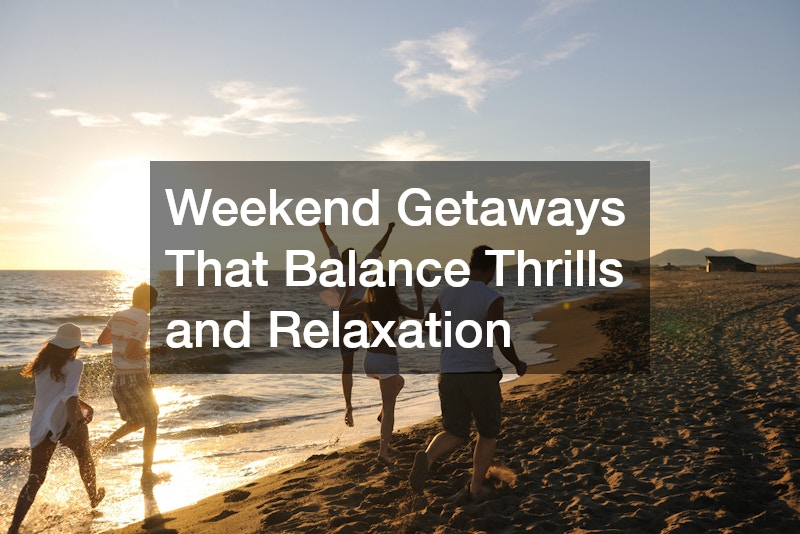
Modern weekend getaways come with a strange pressure: pack in as much excitement as possible while still returning home rested. Too much activity turns a short trip into an endurance event, while too much downtime can feel like a missed opportunity. The sweet spot lives somewhere in between, where adventure energizes you and rest restores you. Finding that balance helps travelers feel satisfied instead of rushed. It also makes weekends feel longer without adding stress.
The key is intentional balance. Thrills should feel invigorating, not exhausting, and relaxation should feel earned, not dull. When planned correctly, even a two- or three-day trip can deliver memorable experiences without draining your energy or patience. This balance allows travelers to stay present rather than constantly thinking ahead. It also prevents the mental fatigue that comes from overplanning.
This guide walks through practical strategies for building weekends that combine excitement and calm. From choosing experiences wisely to managing energy levels and logistics, each section focuses on actionable planning tips that help you enjoy both sides of the travel equation without tipping into chaos. The goal is to help readers travel smarter, not harder. With the right approach, weekends can feel both fulfilling and restorative, blending memorable moments with genuine downtime..
Choose One Signature Experience Per Day
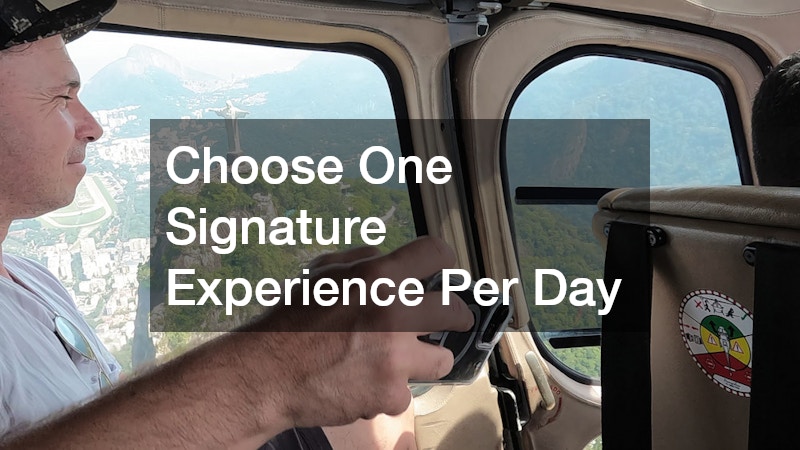
A common mistake in weekend planning is overloading each day with multiple “big” activities. While it’s tempting to stack highlights back-to-back, doing so often leads to rushed meals, constant clock-watching, and little time to actually enjoy where you are. This pattern creates pressure instead of excitement. It can also turn minor delays into major frustrations.
High-impact experiences tend to deliver the most satisfaction when they’re not competing with other commitments. For example, a helicopter tour can provide a powerful sense of adventure without requiring hours of physical exertion, making it ideal as a focal point rather than part of a packed lineup. These experiences feel more meaningful when they stand alone. They also leave room for reflection afterward.
To plan effectively:
-
Schedule your main activity earlier in the day when energy is highest
-
Leave at least half the day open for recovery, exploration, or rest
-
Avoid booking anything time-sensitive immediately afterward
This approach prevents decision fatigue and allows you to savor the experience rather than rush through it. It also gives flexibility if plans need to shift unexpectedly. That breathing room often becomes the most relaxing part of the day.
Match Adventures to the Season Instead of Fighting It
One of the easiest ways to maintain balance is by choosing activities that work with the environment instead of against it. Seasonal alignment reduces discomfort and increases enjoyment, especially when outdoor conditions can make or break a short trip. Fighting the weather often leads to frustration. Embracing it creates smoother, more enjoyable days.
Cold-weather destinations often shine when you embrace what they’re best known for rather than trying to recreate warm-weather habits. Experiences like snowmobile tours feel exhilarating precisely because they align with winter conditions, offering movement, scenery, and adrenaline without excessive planning. These activities are designed for the climate. They often come with built-in safety and pacing considerations.
To keep things comfortable:
-
Build in warming or cooling breaks depending on climate
-
Choose accommodations that support post-activity recovery
-
Plan meals that complement the season and activity level
When the environment supports your plans, your body and mind stay far more relaxed. Seasonal alignment also reduces packing stress and preparation time. Everything simply feels easier when plans match conditions.
Use Water Time as Active Recovery
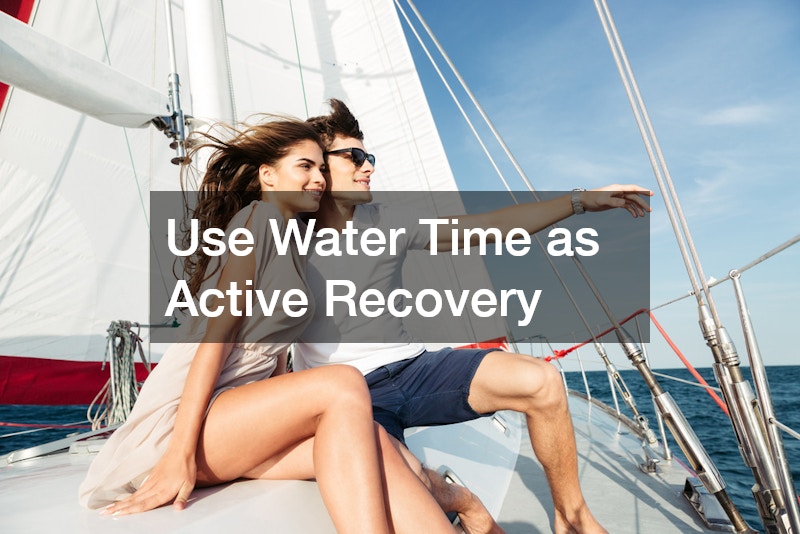
Not all movement needs to feel intense to be effective. Some of the best balancing activities are those that keep you gently active while mentally decompressing. Water-based outings are especially effective because they naturally slow the pace while still engaging the senses. They encourage presence without pressure. That combination is ideal for short trips.
Spending time on a boat allows you to enjoy motion, fresh air, and scenery without the strain of constant physical output. These experiences often feel restful even when they’re technically “activities,” making them ideal between higher-energy plans. The rhythm of the water has a calming effect. It also creates natural pauses for conversation or quiet reflection.
For maximum benefit:
-
Schedule water time after physically demanding experiences
-
Keep the itinerary loose to allow spontaneous stops or rest
-
Pair the outing with an easy meal or scenic break
This type of active recovery helps reset your energy without bringing the trip to a halt. It also makes transitions between busy days feel smoother. Many travelers find this is when they finally feel like they’re on vacation.
Reduce Physical Strain With Smarter Transportation Choices
Walking everywhere may sound charming, but over a short weekend it can quietly drain energy meant for more meaningful experiences. Smart transportation decisions often make the difference between feeling pleasantly tired and completely spent. Physical fatigue adds up faster than expected. It can affect mood and decision-making as well.
Using options like a golf cart service in walkable destinations reduces unnecessary fatigue while still keeping you connected to your surroundings. It also helps travelers of varying mobility levels enjoy the same itinerary without compromise. These services allow for spontaneity without exhaustion. They also make longer days feel far more manageable.
Consider these planning tips:
-
Use local transport for transitions, not experiences
-
Save walking energy for scenic or intentional routes
-
Prioritize convenience over novelty for short trips
When movement supports your plans instead of dominating them, relaxation comes far more naturally. You’ll notice more patience and better energy throughout the day. That balance keeps weekends enjoyable from start to finish.
Create Flexible Lodging That Encourages Downtime

Where you stay matters just as much as what you do. Rigid lodging setups can make rest feel like an afterthought, while flexible accommodations invite pauses, privacy, and spontaneous downtime. Comfort influences how well you recover between activities. It also shapes how relaxed mornings and evenings feel.
Travelers who choose options like a used rv often benefit from having a familiar, adaptable space that travels with them. This flexibility allows for midday breaks, quiet mornings, or early nights without sacrificing proximity to adventure. Having your own space reduces overstimulation. It also makes transitions between activities less taxing.
To build in balance:
-
Choose lodging with multiple usable spaces
-
Avoid overly strict schedules tied to accommodations
-
Treat your stay as part of the experience, not just a place to sleep
Comfort and adaptability turn rest into an intentional part of the trip rather than something squeezed in at the end. When downtime feels accessible, travelers actually use it. That leads to better energy and enjoyment overall.
Elevate One Evening With Effortless Comfort
Not every indulgence adds stress. In fact, carefully chosen upgrades can reduce decision-making and enhance relaxation when timed correctly. The key is choosing comfort that simplifies rather than complicates. Strategic indulgence can actually save energy. It also makes the trip feel special without overdoing it.
Arranging to rent a limo for one evening transforms transportation into a stress-free experience, eliminating navigation concerns and allowing everyone to stay present. It works particularly well for dinners, events, or celebratory moments during a short getaway. This removes pressure from an already busy schedule. It also turns travel time into part of the enjoyment.
To use upgrades wisely:
-
Limit them to one planned moment
-
Choose services that remove logistics, not add them
-
Let the experience replace other activities instead of stacking on top
A single, well-placed luxury can reset the tone of an entire weekend. It often becomes one of the most memorable moments. When done thoughtfully, it enhances relaxation rather than competing with it.
Try Short-Duration Adventures With High Payoff

Thrills don’t need to take over an entire day to be satisfying. Short, focused experiences often deliver excitement without derailing the rest of your plans. This approach works especially well when time is limited. It also prevents physical and mental burnout.
Sampling activities through aircraft rentals allows travelers to experience something extraordinary without committing to a long itinerary or intense physical demand. These experiences feel special precisely because they’re concise. They provide excitement without lingering fatigue. That balance keeps the rest of the weekend enjoyable.
Best practices include:
-
Choosing experiences under two hours
-
Allowing buffer time before and after
-
Avoiding stacking multiple high-stimulus activities
Short adventures preserve energy while still delivering memorable moments. They also leave room for spontaneity later in the day. This flexibility often improves the overall flow of the trip.
Balance Mental Focus With Physical Ease
Not all thrills are physical. Skill-based experiences can be deeply engaging while remaining relatively low-impact, making them ideal for balancing a weekend itinerary. These activities stimulate focus without exhausting the body. They also offer a sense of accomplishment.
An indoor gun range, for example, provides structured engagement that encourages concentration and controlled pacing rather than constant movement. This type of experience often leaves travelers feeling energized rather than depleted. Mental focus can feel refreshing when paired with physical rest. It also breaks up purely passive downtime.
To keep things balanced:
-
Schedule focus-heavy activities earlier in the day
-
Follow them with passive or restorative downtime
-
Set clear time limits to avoid overstimulation
Mental engagement can be just as refreshing as physical rest when planned thoughtfully. These experiences often sharpen awareness. That heightened focus can improve enjoyment throughout the rest of the day.
Use Creative Experiences to Slow the Pace
Some of the most relaxing moments on a trip come from personal or creative experiences that invite reflection rather than stimulation. These activities often anchor memories more deeply than fast-paced attractions. They encourage intention and presence. That mindset naturally slows the pace.
Visiting a tattoo shop during a getaway can serve as a meaningful, unhurried experience that encourages mindfulness and intention. When approached thoughtfully, it becomes less about impulse and more about marking a moment in time. These experiences often feel grounding. They also create a lasting connection to the trip itself.
To integrate reflective experiences:
-
Schedule them near the end of the trip
-
Avoid pairing them with rushed plans
-
Allow extra time for conversation and decision-making
Personal expression can create calm, not chaos, when given the space it deserves. These moments often feel surprisingly restorative. They also help ease the transition back to everyday life.
Let Professionals Handle the Details
One of the easiest ways to maintain balance is by outsourcing logistics. Guided experiences reduce mental load and create natural pacing, allowing travelers to stay present instead of managing details. This is especially helpful on short trips. It frees up energy for enjoyment.
Booking a fishing charter places responsibility for timing, equipment, and navigation in experienced hands. This structure frees participants to enjoy the experience without constant planning or decision-making. Guided pacing prevents overexertion. It also builds in natural moments of rest.
For guided activities:
-
Ask about pacing and downtime upfront
-
Choose providers known for flexibility
-
Pair structured outings with unstructured free time
When someone else manages the flow, relaxation becomes effortless. You can fully engage without multitasking. That mental break often makes the entire trip feel smoother.
Balanced weekend getaways aren’t about doing less—they’re about doing better. When thrills are chosen intentionally and rest is treated as a priority rather than an afterthought, even short trips can feel deeply satisfying. Thoughtful pacing creates lasting enjoyment. It also prevents the exhaustion that often follows busy travel. This approach helps travelers stay present instead of feeling rushed from one moment to the next.
By aligning activities with energy levels, simplifying logistics, and allowing space between highlights, travelers can return home refreshed instead of depleted. Adventure and relaxation don’t compete when they’re planned to support one another. Each enhances the other when balanced correctly. This balance makes weekends feel restorative rather than merely eventful.
With the right balance, a weekend getaway becomes more than an escape—it becomes a reset. Travelers return with clearer minds and better energy. That feeling is what makes a trip truly worthwhile. It’s the difference between needing another break and feeling ready to jump back into daily life.
